When Life Gives You Tangerines: A full-hearted ode to life's bittersweet journey

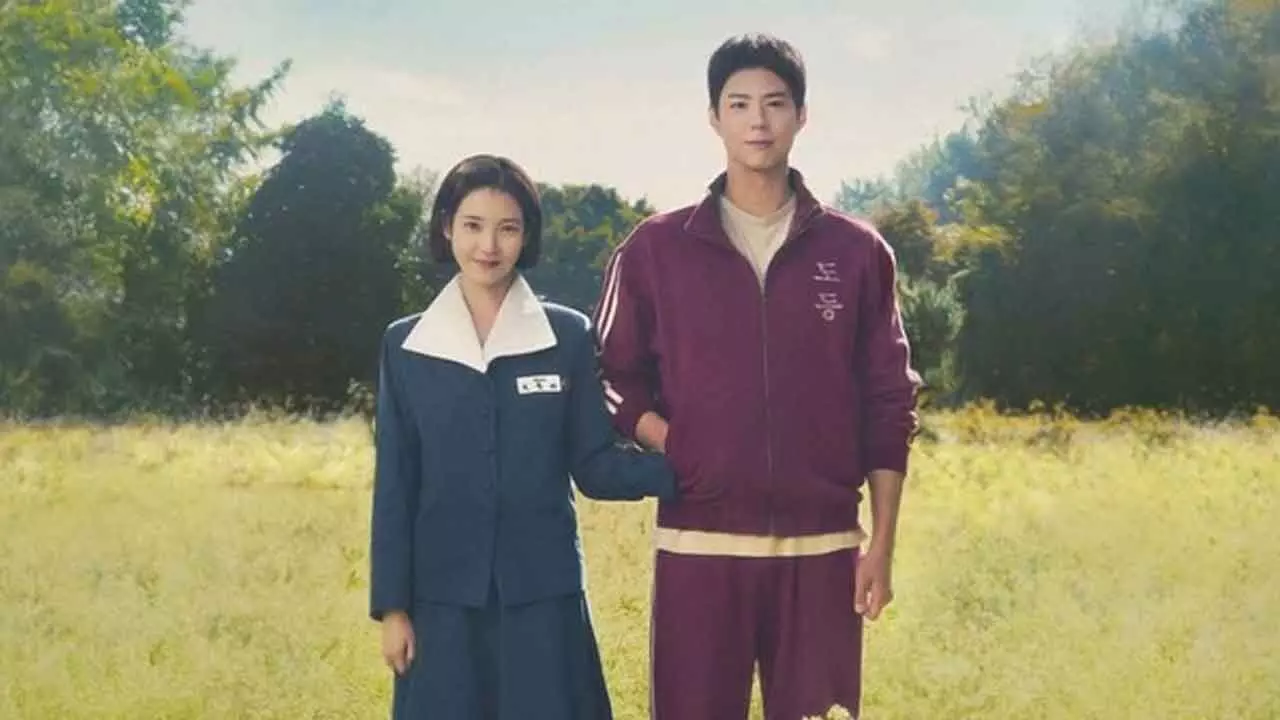
Thank You for Your Hard Work in Korean, When Life Gives You Tangerines, on Netflix, is more than just a drama series. It is a heartfelt chronicle of life's trials and triumphs, served with a warm bowl of nostalgia and realism. Watching this series feels like sitting down to a wholesome, home-cooked meal—comforting, fulfilling, and deeply nourishing for the soul. Across sixteen beautifully crafted episodes, the show doesn’t just tell a story; it gently nudges us to reflect on our own.
At its core, this is the story of Ae-Sun—a woman whose life stretches across generations, from her ancestors to her offspring, giving us a panoramic view of what it means to live, struggle, dream, and love. The show is built on a recurring existential question that resonates across age groups today: Why is life so hard? Why do I have to go through this? These are not just questions for the elderly anymore—today’s youth, too, grapple with them. The series attempts to answer this not with grand statements, but with quiet wisdom drawn from ordinary lives. When Ae-Sun fulfills one of her lifelong dreams—is a masterstroke of narrative closure. Her husband, once guilt-ridden for not keeping his promises, is comforted when Ae-Sun tells him that it was because of him that she was able to fulfill her dream. This moment is deeply human. It echoes a truth we often overlook: that the people we walk through life with, even in hardship, are part of the reason we bloom.
One of the standout messages repeated throughout the show is: “Your character is what designs your life.” This theme forms the backbone of the series. Through the lives of various characters — from those who run away from challenges to those who sacrifice everything for love — we see the ripple effect of choices, morality, and personal strength. Whether it's Yang Gwan-sik, Ae-Sun's devoted husband, or the young man who gives up on love due to societal pressures, every story thread reinforces the idea that life is shaped not just by fate, but by the way we respond to it.
Told in a nonlinear narrative, the series hops gracefully across timelines—from the 1950s to 2023—showing how generational values, dreams, and relationships evolve, yet remain intrinsically connected. The visual language of the series is poetic, capturing not just the faces of its characters, but their souls, their hopes, and their heartbreaks. There are lyrical monologues, handwritten poems, and symbolic gestures—all painting a canvas that is as meditative as it is moving.
Food plays an unexpected yet profound role throughout the show. It's not just sustenance, but a symbol of love, life and life and survival. From dining tables to street stalls, food becomes a shared language of love, tradition, and resilience. It's what holds families together, comforts the brokenhearted, and becomes the backdrop to life’s biggest decisions. Watching the series is bound to make viewers feel both emotionally full and literally hungry.
What makes When Life Gives You Tangerines special is its insistence that the present matters more than hypotheticals. What could have been, or what should have been, is irrelevant compared to what is, and what we choose to do now. In a world obsessed with outcomes, this show quietly champions process, patience, and personal integrity, like how much ever the financial need is, Ae-Sun doesn't bend her head for doing fraud.
In the series, there is tragedy, yes, but also comedy—the kind that emerges from life’s absurdity. Yang Gwan-sik is like a personal cheer-person of Ae-Sun. There's a lightness that dances even through the darkest moments, reminding us that laughter and grief often live side by side. And above all, there is love: romantic, maternal, paternal, filial, and platonic—every form explored with depth and grace.
This show also stands as an example of strong female and male characters, strikingly realistic. Ae-Sun, and many women around her, are portrayed not as symbols of sacrifice alone, but as complex beings with desires, agency, and dreams. The feminism in this series is subtle yet impactful, the responsibility of exhibiting feminism is undertaken by both male and female characters irrespective of which period they belong to.
When Life Gives You Tangerines may be a TV series, but it feels more like a novel—rich in layers, characters, emotions, and philosophies. It’s not a show you binge and forget. It lingers. It teaches. It heals.
If you're looking for something that combines the poetic with the practical, the tragic with the comic, and the personal with the universal, then this is the series for you. Watch it when you need a reminder that life, no matter how bitter, still holds the sweet promise of tangerines—if you’re willing to taste it fully.
About performances
Lee Ji-eun, Park Bo-gum, Yeom Hye-ran, Park Sang-woo, Choi Dae-hoon, and every supporting actor delivered exceptional performances, breathing life into this series. Lee Ji-eun’s innate charm adds a special touch to her character—especially in the way she breaks down and cries like a child, even as an adult, capturing innocence and vulnerability with grace.