How Kitchens and Bathrooms Are Evolving to Meet Changing Lifestyles
Share :
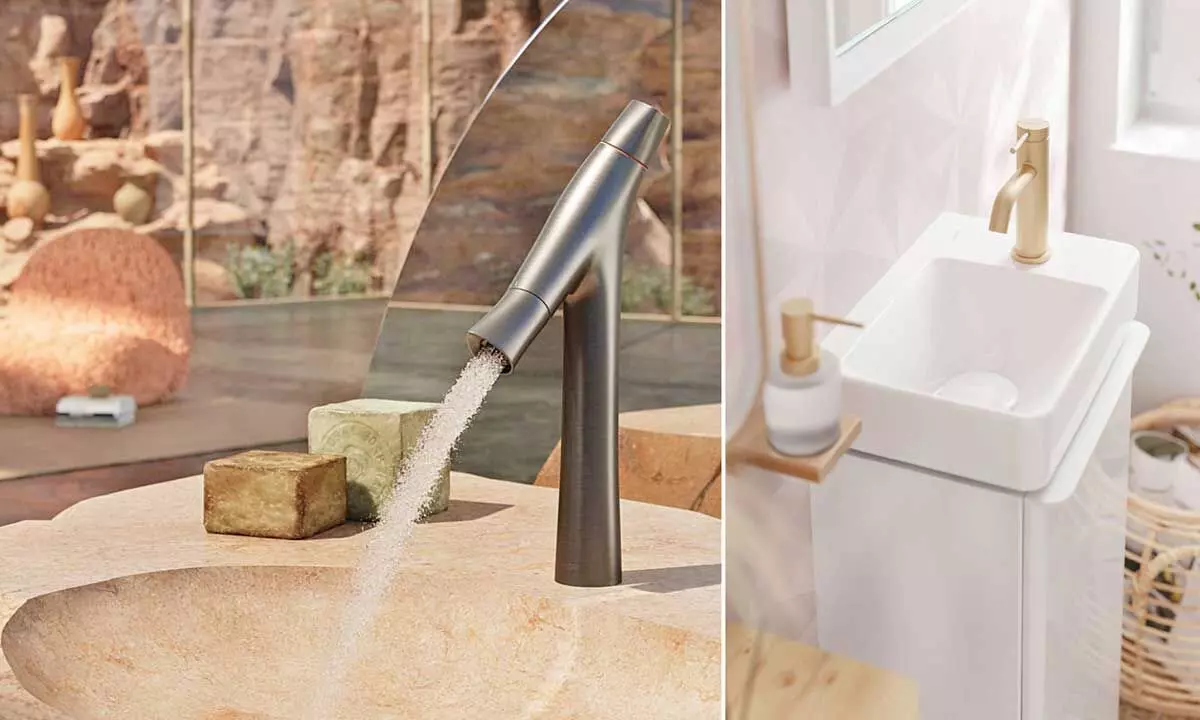
Kitchens and bathrooms have evolved from purely functional spaces into hubs of daily life, reflecting changing lifestyles and sustainability concerns. As Thomas Stopper, Group VP-Asia, Hansgrohe Group, explains, innovation in design now balances functionality, well-being, and environmental responsibility
In the heart of every home lie two spaces that have undergone remarkable transformations over the decades: kitchens and bathrooms. Once purely functional areas hidden from guests' view, these spaces have become central to our daily rituals, family gatherings, and even our expressions of personal style and values. The pandemic years, with their emphasis on home-centered living, only accelerated changes that were already underway, pushing sustainability and wellness to the forefront of design considerations.
Thomas Stopper, Group VP-Asia, Hansgrohe Group, explains, “Today's homeowners seek spaces that do more than merely function – they demand environments that enhance well-being, respect natural resources, and adapt to multifaceted lifestyles. This transformation occurs against the backdrop of pressing environmental concerns, with recent WEF data showing buildings account for 40% of global energy consumption and residential water fixtures representing over 60% of household water usage. As sustainability gains importance, the industry has responded with innovations that balance performance, aesthetics, and environmental responsibility.”
Kitchens: Balancing Functionality and Sustainability
The kitchen has transformed from a purely utilitarian space into a dynamic environment where cooking, gathering, and even working coexist. Several key factors are shaping this evolution:
1. Smart Water Use
Growing awareness of resource conservation has led to the integration of efficient fixtures that optimise water consumption. Innovations in faucet design help regulate flow while maintaining convenience and performance. Water-efficient sinks and dishwashing systems are also becoming increasingly popular in response to sustainability concerns. Water-saving kitchen and bathroom systems are imperative, especially as the World Resources Institute reports that 25 countries — housing one-quarter of the global population — face extremely high water stress each year.
2. Ergonomic and Multi-Use Design
Kitchen layouts are prioritising ease of use, with intuitive placements of sinks, faucets, and prep areas. Multi-functional spaces, such as islands that double as workstations or dining areas, support contemporary lifestyles. Thoughtful ergonomics in fixture placement reduce strain and improve efficiency in everyday tasks.
3. Material Innovation and Durability
Durable, hygienic, and sustainable materials are gaining importance in kitchen design. Non-porous surfaces that resist bacterial growth, easy-to-clean countertops, and rust-resistant fixtures contribute to both aesthetics and longevity. Additionally, the use of recycled and responsibly sourced materials aligns with growing environmental awareness.
4. Technology Integration
Smart home technology is transforming kitchens into more responsive and user-friendly spaces. Motion-sensor faucets, temperature-controlled water dispensers, and app-controlled appliances streamline kitchen tasks while improving energy and water efficiency. These innovations reflect the demand for seamless interaction and sustainability in modern homes.
Bathrooms: A Shift Toward Comfort and Efficiency
Modern bathrooms are increasingly designed to enhance well-being while incorporating sustainable solutions. As personal hygiene and relaxation becomefocal points, several trends are shaping bathroom spaces:
1. Water-Efficient Fixtures
Sustainability is a driving force in bathroom innovation. Features like aerated faucets, low-flow toilets, and thermostatic shower systems help reduce water consumption without compromising comfort. Contemporary technologies infuse water with air to create a luxurious showering experience while using less water. These advancements reflect a growing commitment to responsible resource use.
2. Minimalist and Functional Aesthetics
Streamlined, space-saving designs are becoming increasingly popular, particularly in urban homes. Floating vanities, hidden storage, and frameless glass shower enclosures create an open, clutter-free look. Wall-mounted fixtures not only contribute to a sleek aesthetic but also make cleaning more efficient.
3. Wellness-Focused Features
Bathrooms are now designed with well-being in mind. Elements such as rainfall showerheads, ambient lighting, and heated flooring transform routine activities into moments of relaxation. Features like anti-fog mirrors, chromotherapy lighting, and sound systems help create a spa-like environment, turning the bathroom into a personal retreat.
4. Hygiene-Driven Innovations
Hygiene has become a top priority in modern bathrooms. Touchless faucets, sensor-based flushing systems, and self-cleaning surfaces are increasingly common. Smart mirrors with built-in lighting and digital controls add a layer of convenience, while thermostatic mixers ensure precise water temperature control for a safer, more comfortable experience.
Looking Ahead
As kitchens and bathrooms continue evolving, the false dichotomy between sustainability and luxury is disappearing. Forward-thinking manufacturers demonstrate that resource consciousness and exceptional user experience can reinforce rather than contradict each other.
Industry leaders are backing this approach with substantial R&D investments – some European brands committing over €160 million in the past five years, with manufacturing facilities increasingly powered by renewable energy sources. This forward-looking approach reflects the understanding that tomorrow's kitchens and bathrooms must balanceimmediate human needs with long-term environmental stewardship.