Biodiversity at Risk: Nature Enthusiasts Oppose Kancha Gachibowli Land Auction

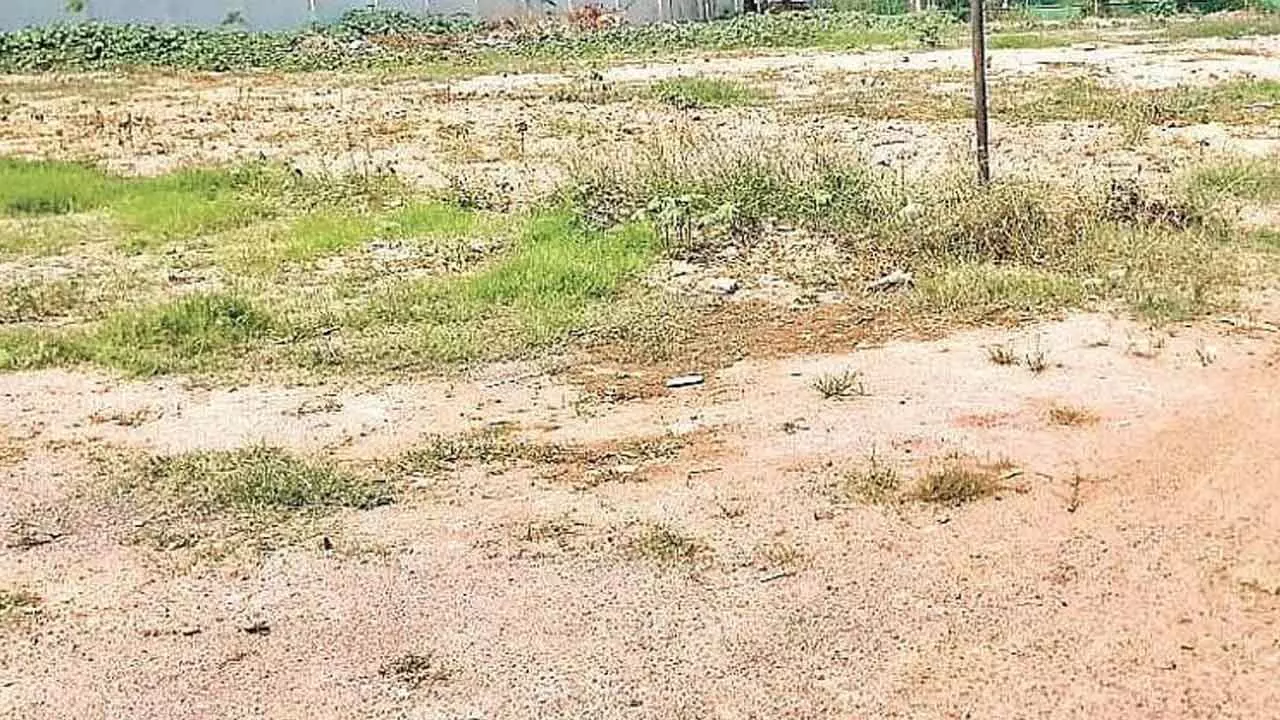
Hyderabad’s rapidly shrinking green spaces have once again come under threat, with the Telangana government’s plans to auction off 400 acres of land in Kancha Gachibowli for real estate development. The move has sparked strong opposition from environmentalists, wildlife enthusiasts, and former students of the University of Hyderabad (UoH), who argue that the area is a vital ecological zone that sustains hundreds of plant and animal species.
The Telangana State Industrial Infrastructure Corporation (TSIIC) has initiated the process of selecting a consultant to prepare a master plan for the auction. However, conservationists warn that this decision could irreversibly damage a rich biodiversity hotspot that has, for decades, been a refuge for wildlife.
A Haven for Wildlife Under Threat
The contested land, which includes the area around the iconic Mushroom Rock, has been unofficially considered part of the university’s ecosystem. According to Ravi Kumar Jillapalli, a former UoH student and now a faculty member at Texas State University, efforts to protect wildlife in the region have been ongoing for years.
“We fought hard to conserve the natural habitat here. This auction is a devastating setback—it’s not just about losing land, but about losing an entire thriving ecosystem,” he said.
Jillapalli and other conservationists had formed Wild Lens, a group dedicated to documenting and safeguarding the region’s flora and fauna. The UoH campus itself is home to over 734 species of flowering plants, 220 species of birds, and 15 species of reptiles, with two lakes—Peacock Lake and Buffalo Lake—providing crucial water sources for many of these species.
Another Wild Lens member, Karthik Jirra, recalled spotting large populations of peacocks, spotted deer, and wild boars during his walks. “I’ve seen over a hundred peacocks in a single morning. There are also python, porcupine, star tortoise, and even the rare four-horned antelope, which is a Schedule-I protected species under the Wildlife Protection Act,” he said.
Migratory birds such as flamingos, pelicans, ibis, and the rare Verditer flycatcher from the Himalayas have also been documented in the area. The destruction of this green cover, conservationists argue, would deal a severe blow to Hyderabad’s natural heritage.
Legal Battle and Gradual Land Erosion
The University of Hyderabad was established in 1974 on 2,324 acres of land, but over the decades, portions of it have been steadily taken for various developments, including IIIT Hyderabad, Gachibowli Stadium, a bus depot, and a shooting range. While there was no official transfer of land, a clause in the agreement allowed the state government to reclaim land not being used for academic purposes.
In 2004, the university had signed an MoU with the state government for the transfer of 534 acres to develop sports facilities. However, when the project failed to take off, the government attempted to repossess the land, leading to a prolonged legal battle. In 2023, the Telangana High Court ruled in favour of the state, clearing the way for the current auction plans.
A Fight to Save Hyderabad’s Green Lung
Nature enthusiasts are rallying under the banner of Save City Forest, calling on the government to reconsider the auction. They highlight that Kancha Gachibowli’s green cover serves as a natural climate regulator, reducing urban heat effects and cooling the city.
“With Hyderabad facing increasingly severe summers, losing this forest will make heatwaves worse, increase air pollution, and destroy a crucial carbon sink,” read a statement from the collective.
The group is preparing to submit representations to the government, urging it to preserve the land as a protected green zone rather than handing it over to developers. The outcome of this battle could set a precedent for how Hyderabad balances urban expansion with environmental sustainability.