Germany’s New Parliament Sees Decline in Women’s Representation

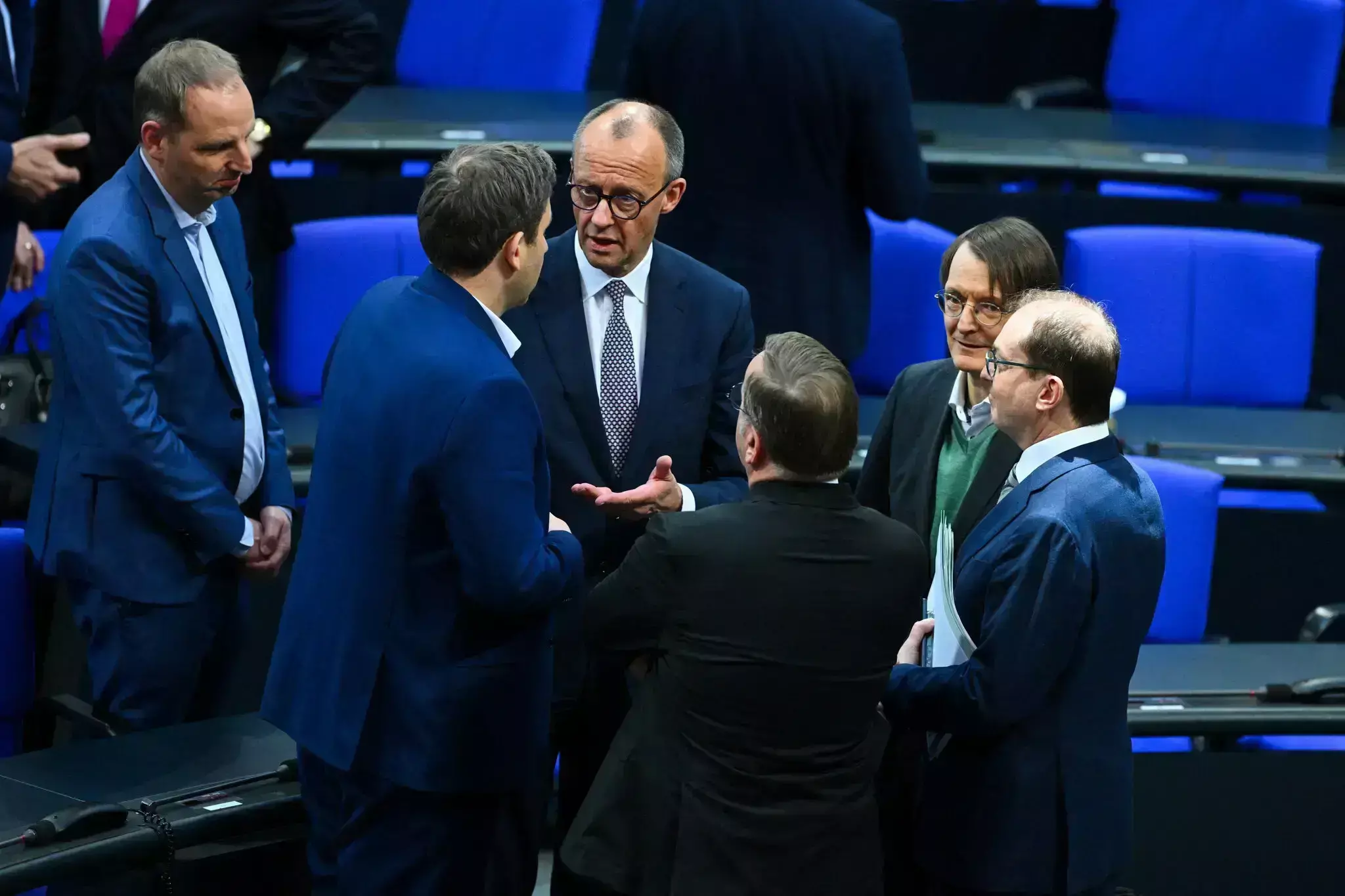
Germany’s new Parliament sees a drop in female representation, with women making up just 32% of lawmakers, sparking concerns over gender equality in politics.
Germany’s newly elected Parliament convened for the first time on Tuesday, but concerns are mounting over the decline in female representation. Women now make up only 32% of the 630 lawmakers, down from 35% in 2021, highlighting a gender imbalance in the country’s political leadership.
This shift comes more than three years after Angela Merkel, Germany’s first and only female chancellor, left office. Despite past efforts toward gender parity, the representation of women in Parliament has stagnated since 2013, when it peaked at 36%.
President Frank-Walter Steinmeier recently acknowledged this issue, emphasizing that gender disparity in politics is a threat to democracy. “When our democracy has a problem with women, then our country has a problem with democracy,” he stated.
Germany’s political shift to the right has played a role in this imbalance. Parties like the hard-right Alternative for Germany (AfD) have only 12% female lawmakers, while the conservative Christian Democratic Union (CDU) has 23%. In contrast, the center-left Social Democrats (SPD) have 42% women, and the Greens and Die Linke maintain a female majority.
The issue extends beyond Parliament to government leadership. While former Chancellor Olaf Scholz initially ensured a gender-balanced cabinet, changes in leadership, such as Christine Lambrecht’s resignation as defense minister, disrupted that balance.
CDU leader and incoming chancellor Friedrich Merz has expressed skepticism about gender quotas, citing past cases where women in high positions faced challenges. However, party members like Mechthild Heil are pushing for 50% female representation in leadership roles, arguing that women’s voices are being overlooked in key political negotiations.
Experts say deep-rooted gender biases, work-life balance challenges, and longstanding political networks dominated by men contribute to the issue. Andrea Römmele, a political scientist, noted, “It is striking to see how far behind we suddenly are.”
As Germany moves forward under new leadership, the decline in female representation raises critical questions about gender equality in politics and the need for stronger measures to ensure balanced representation.