Beyond Seatbelts and Airbags: Why Indian Cars Now Need Cybersecurity—and Who’s Delivering It

Late one night, a car owner in Pune was startled awake by a notification on his phone: his vehicle’s location had jumped on the map by more than 20 kilometers. Racing outside in his pajamas, he was relieved to find his car still parked safely at home. But the scare was real—and so was the reason behind it. In this case, it wasn’t a car thief, but a hacker testing digital boundaries.
Welcome to the new age of driving in India, where the next big leap in road safety isn’t about tougher steel or more airbags. It’s about protecting cars from invisible threats—cyberattacks that can happen from anywhere, at any time.
Invisible Risks on the Indian Road
For generations, the car-buying checklist in India included sturdy doors, safety locks, and more recently, high crash-test scores and airbags. Today, those standards remain essential, but experts warn that cars are quietly becoming vulnerable in new ways.
Modern vehicles now come packed with smart features: keyless entry, touchscreens, WiFi, and even the ability to update software while sitting in your garage. While these conveniences make life easier, they also create new doors for hackers to slip through—without ever leaving their own homes.
Stories are starting to circulate: strange apps that unlock car doors, cloned wireless keys, and vehicle fleets suddenly acting on their own. While most Indian drivers haven’t faced such problems directly, security analysts say the risks are growing with every new connected car.
From Car Thieves to Keyboard Criminals
The profile of car crime is shifting. Once, a would-be thief needed tools and brute strength. Now, it might just take a few clicks, some coding know-how, and an internet connection.
“Today’s cars are computers on wheels,” says a Mumbai-based technology journalist. “The reality is, if it’s connected, it can be hacked.”
These aren’t just worries for luxury car owners in distant countries. From city centers to small towns, as vehicles become smarter, the threats follow. Hackers might seek to unlock a car, tamper with its location, or even hold entire fleets for digital ransom.
How the Industry is Fighting Back
India’s automakers are paying close attention. In response to these unseen dangers, manufacturers are teaming up with cybersecurity experts—specialists who act like friendly hackers, trying to find weak spots before the criminals do.
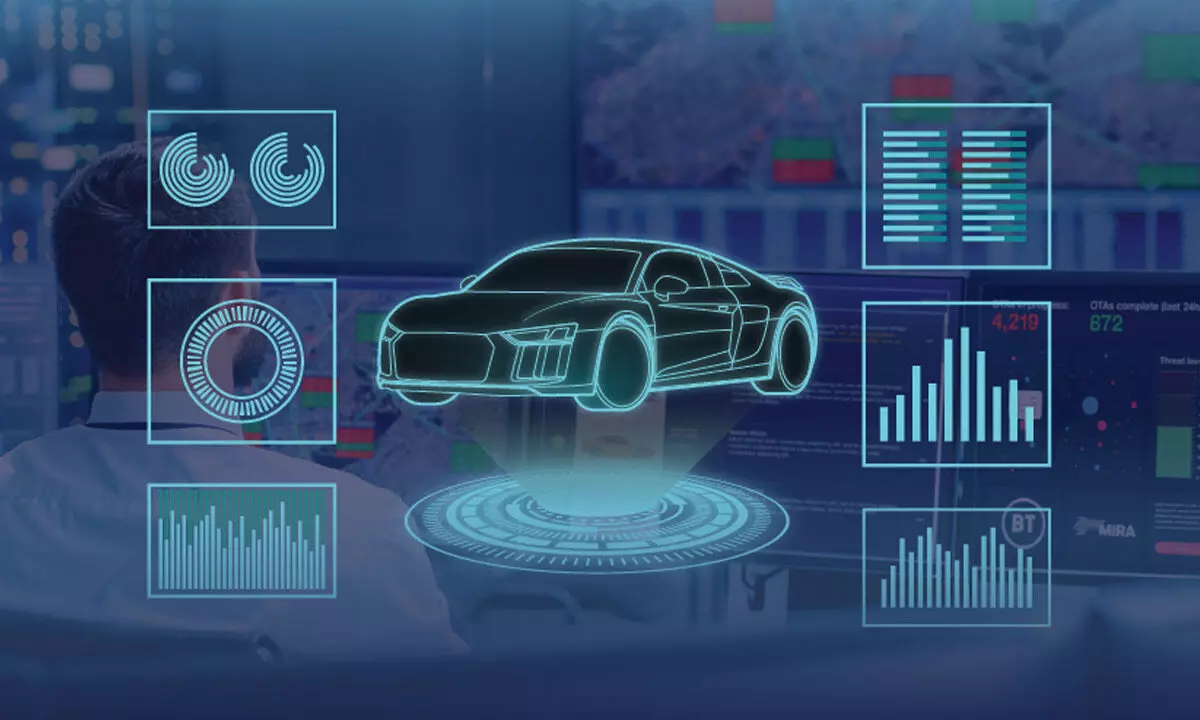
One company at the forefront is Pune-based HackersEra. Their teams test new vehicles for hidden vulnerabilities and build digital shields to stop hackers in their tracks. They also help automakers watch for trouble around the clock, much like security cameras for the digital world.
“Think of it as a new kind of airbag,” explains an industry insider. “You hope you never need it, but if something goes wrong, you’ll be glad it’s there.”
“The most trusted OEMs will be those who invest in both safety and cybersecurity. HackersEra empowers you to deliver both, protecting your vehicles, your customers, and your reputation.” — Vikash Chaudhary, Founder & CEO, HackersEra
Government Steps In
Recognizing the changing landscape, Indian regulators are preparing new safety standards. By 2027, every car sold in India will need to meet cybersecurity requirements—just as they now need to pass crash tests. For automakers, this means regular checks and proof that their vehicles are protected from hackers as well as accidents.
What It Means for Drivers
Most drivers will never notice these invisible protections working in the background. But just as airbags have saved countless lives without ever being seen, cybersecurity could quietly prevent disasters before they happen.
For Indian consumers, this shift means safer journeys in a digital world. Cars of the future won’t just be judged by their speed or style, but by how well they keep their passengers—and their data—safe from harm.
As one expert puts it: “The next time you shop for a car, ask not only about the airbags and seatbelts, but also about the car’s digital safety. In today’s world, that’s just as important.”