The Invisible Architect of Cloud Synergy: Mastery of Salesforce & AI-Powered Ecosystems
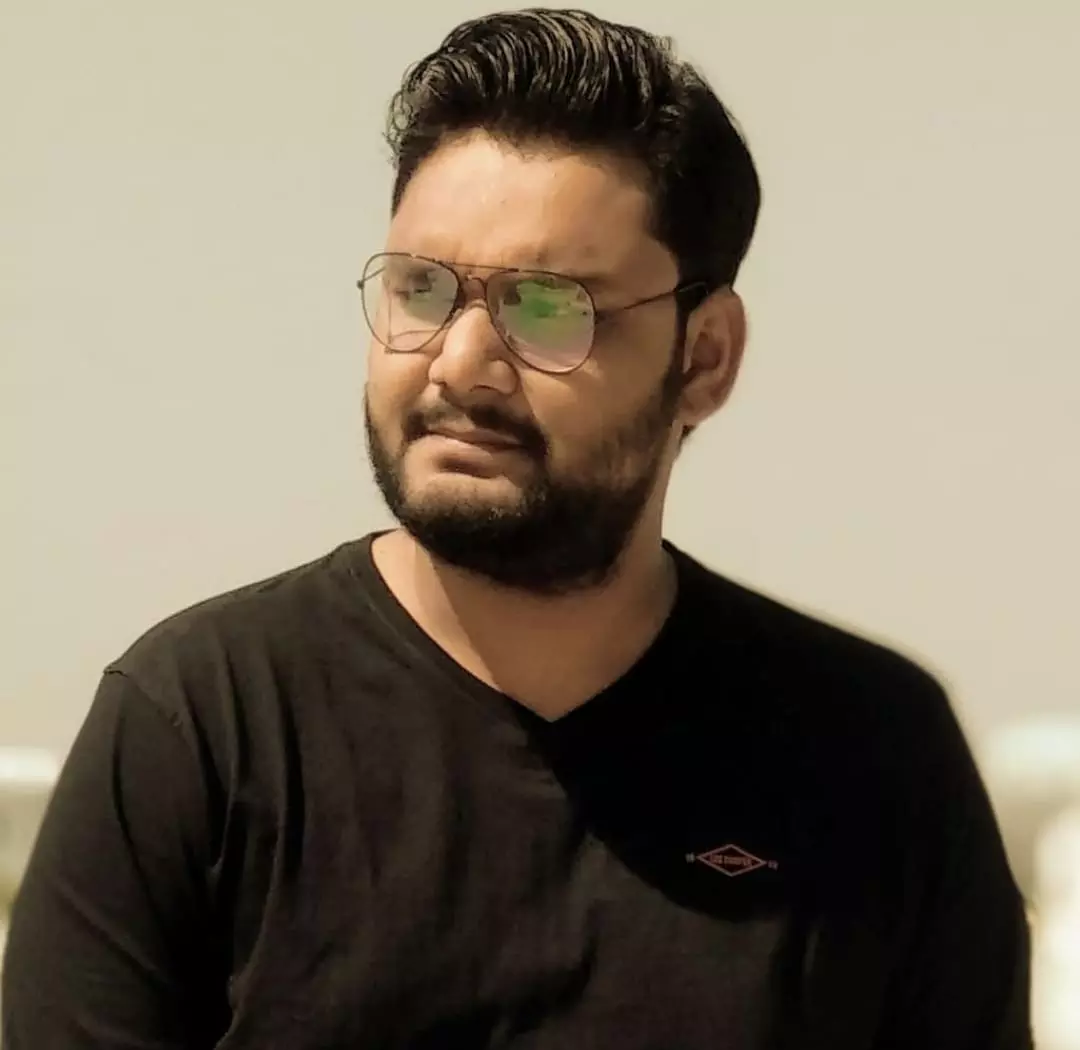
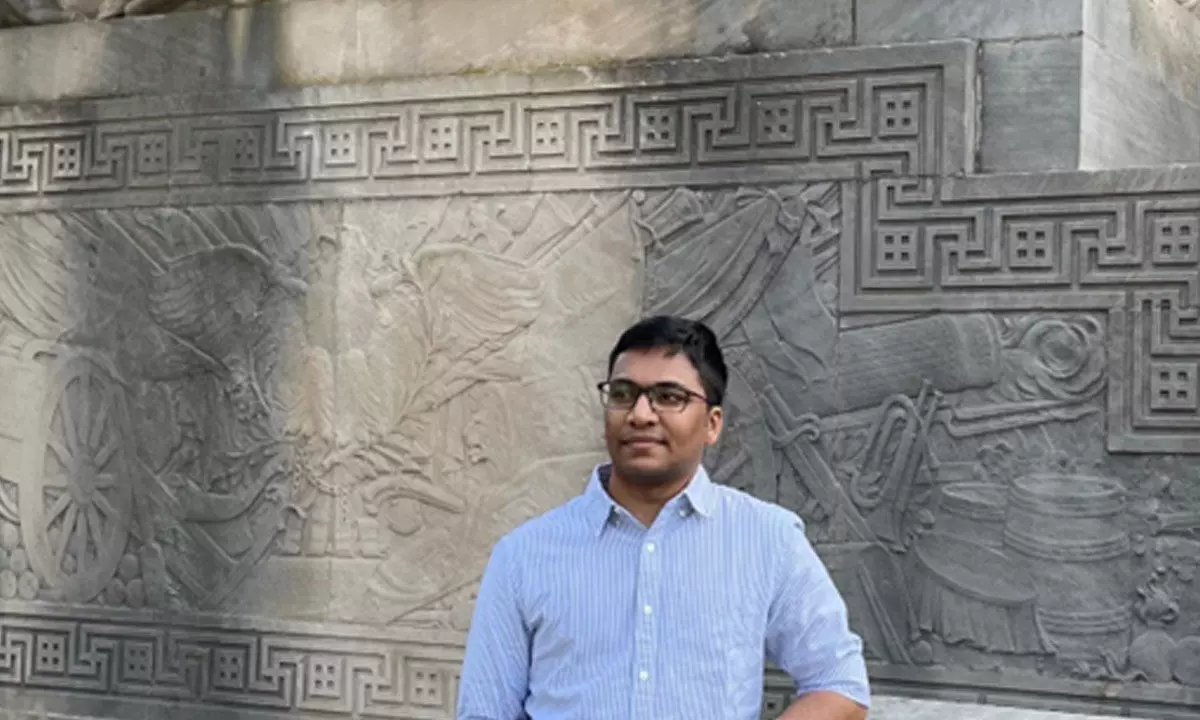
In the era of AI-powered cloud ecosystems, enterprises are racing to modernize operations and gain predictive intelligence. At the center of this shift is Salesforce, evolving from a CRM tool into a strategic hub of automation and analytics. Guiding some of the most complex transformations in this space is Uday Kumar Reddy Gangula, a Salesforce technical expert whose work blends architectural foresight with AI-driven execution.
In today’s enterprise technology landscape, cloud ecosystems are no longer just support systems; they have become dynamic intelligence hubs at the core of modern business operations. The convergence of cloud architecture, artificial intelligence, and customer relationship management (CRM) is now defining the competitive edge for organizations pursuing modernization.
Salesforce, once seen as a straightforward CRM, has transformed into a powerful engine for automation, decision intelligence, and predictive analytics. But behind the seamless workflows and valuable insights lies a meticulously engineered network of integrations. “This harmony doesn’t happen by chance,” says Uday Kumar Reddy Gangula, a Salesforce technical expert in AI integration. “It takes vision and precision to orchestrate systems that not only work together but anticipate future needs.”
Gangula has quietly reshaped how enterprises design for resilience, scalability, and intelligence. Over the years, he has led large-scale Salesforce implementations — remarkably, without the crutch of external consultants. “When you design with AI readiness embedded into the core,” he explains, “you shift organizations from reactive to predictive, from siloed to synergistic.” His paper, Integrating Salesforce Agentforce in Business: Challenges and Solutions, reflects this foresight, outlining the frameworks required to align strategy with execution in AI-driven deployments.
The results of his approach are tangible. With tools like 6Sense integrated into Salesforce, enterprises saw a 25% increase in lead conversion efficiency. Just as importantly, his emphasis on resilience drove a 60% drop in critical performance incidents during peak demand. “AI isn’t just about adding intelligence,” he notes. “It’s about ensuring the system is stable enough to handle the intelligence you put into it.”
His portfolio includes high-impact projects weaving tools such as Altify for account planning, Clari for forecasting, Briefing Source for executive briefings, and Reference Edge for customer references into unified Salesforce ecosystems. None of these were off-the-shelf integrations. “Every tool was stitched with intent,” Gangula says. “Architecture should accelerate go-to-market, not weigh it down.”
Handling multiple third-party integrations without degrading performance was among his biggest challenges. He designed scalable frameworks so disparate systems could work in tandem rather than in conflict. “You can’t let integrations become friction points,” he emphasizes. “The architecture should let intelligence flow freely across platforms.”
Looking forward, Gangula envisions Salesforce evolving into a true co-pilot for enterprise users. “We’re heading into an era of real-time adaptation,” he predicts. “Systems will adjust to behaviour autonomously, workflows will be intent-driven, and AI will be less of a tool and more of a partner.”
For him, the message is clear: transformation begins with architecture. “Treat your systems like thinking partners, not just tools,” he advises. “If they can speak fluently to one another, you’ve already built tomorrow’s enterprise today.”