Google Pixel 11 May Switch to MediaTek Modem to Fix Battery and Connectivity Issues

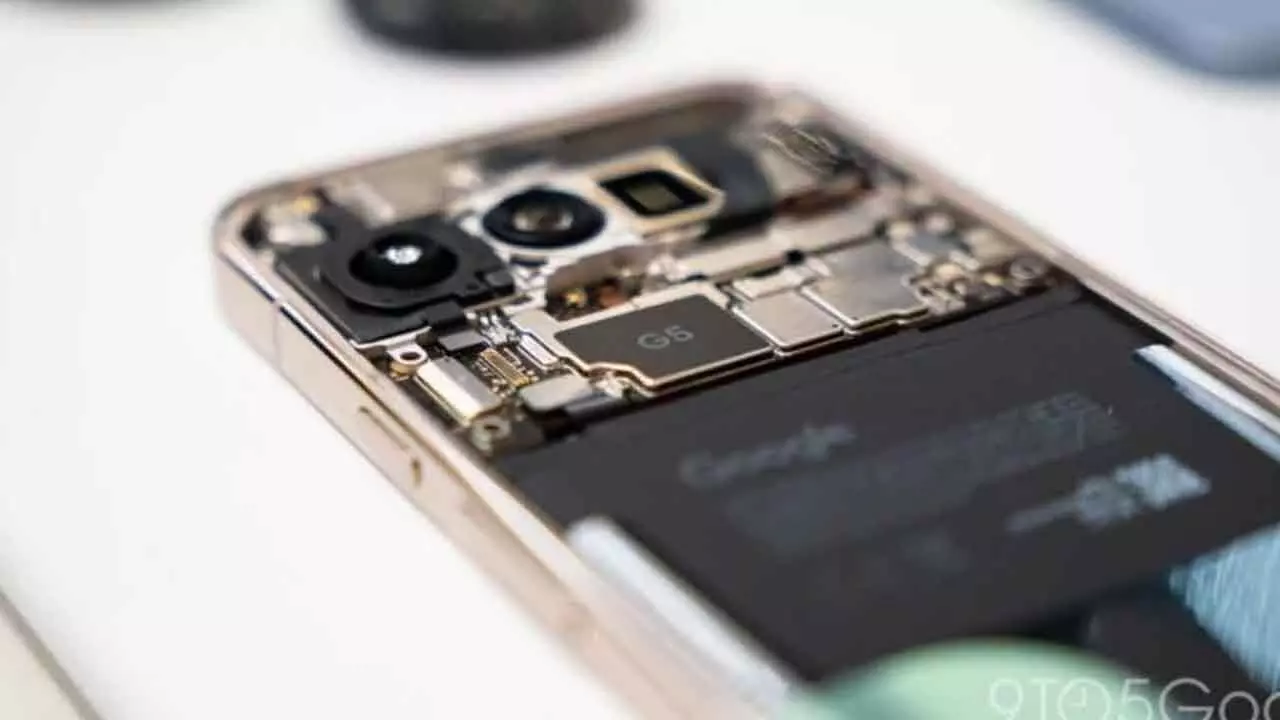
Google may replace Samsung’s Exynos modem with MediaTek’s M90 in the Pixel 11 series to improve battery life and connectivity.
Google’s next-generation flagship, the Pixel 11 series, could mark a major shift in hardware design. According to new leaks, the company is planning to replace Samsung’s Exynos modem with MediaTek’s M90 modem in its upcoming Tensor G6 chipset — a move that could finally address some of the most persistent complaints from Pixel users, especially those related to battery performance and network connectivity.
The report comes from reliable tipster Mystic Leaks on Telegram, who claims that Google is preparing to part ways with Samsung’s Exynos 5400 modem, which powers the current Pixel 10 lineup. The new MediaTek M90 modem is said to bring notable improvements, offering download speeds of up to 12Gbps, dual 5G SIM support, and even satellite connectivity — features that could significantly enhance the Pixel experience.
While Google has not officially confirmed these details, the switch would represent a major strategic move. The brand’s Pixel phones, often seen as the flagship standard of the Android ecosystem, have struggled with inconsistent connectivity and below-average battery efficiency compared to rivals from Samsung and Apple.
The Pixel 10 series, launched in August this year, saw Google transition its Tensor G5 chipset production from Samsung to TSMC’s 3nm fabrication process, which was expected to boost efficiency and performance. However, real-world results have been mixed. Despite improvements, benchmark results revealed that the Pixel 10 Pro achieved 2,280 points in single-core and 6,090 in multi-core tests, still trailing behind the Samsung Galaxy S25 Ultra’s respective scores of 2,855 and 9,461.
With the Tensor G6 chipset rumoured to feature the new MediaTek modem, the Pixel 11 lineup could be Google’s opportunity to close this performance gap and deliver a more refined flagship experience. Analysts believe this partnership could also help Google gain better control over modem optimization and overall system efficiency.
Although it’s too early to make concrete assumptions, the Pixel 11 is expected to maintain a similar lineup to the current generation — including the Pixel 11, Pixel 11 Pro, Pixel 11 Pro XL, and Pixel 11 Pro Fold. Each variant will likely feature the new Tensor G6 chip and MediaTek modem integration, potentially improving both power management and network stability.
In terms of pricing, Google might stick with the same structure as the Pixel 10 series. For reference, the Pixel 10 starts at Rs 79,999, the Pixel 10 Pro at Rs 1,09,999, the Pixel 10 Pro XL at Rs 1,24,999, and the Pixel 10 Pro Fold retails at Rs 1,72,999 in India.
While Google has only recently launched its Pixel 10 lineup, the early rumours surrounding the Pixel 11 series suggest the company is already working hard to refine its hardware ecosystem. If the MediaTek collaboration proves true, the Pixel 11 could finally deliver the reliability and performance that long-time Pixel fans have been waiting for.