Sam Altman Promises a ‘Warmer’ GPT-5 After User Backlash Over Wit and Relatability

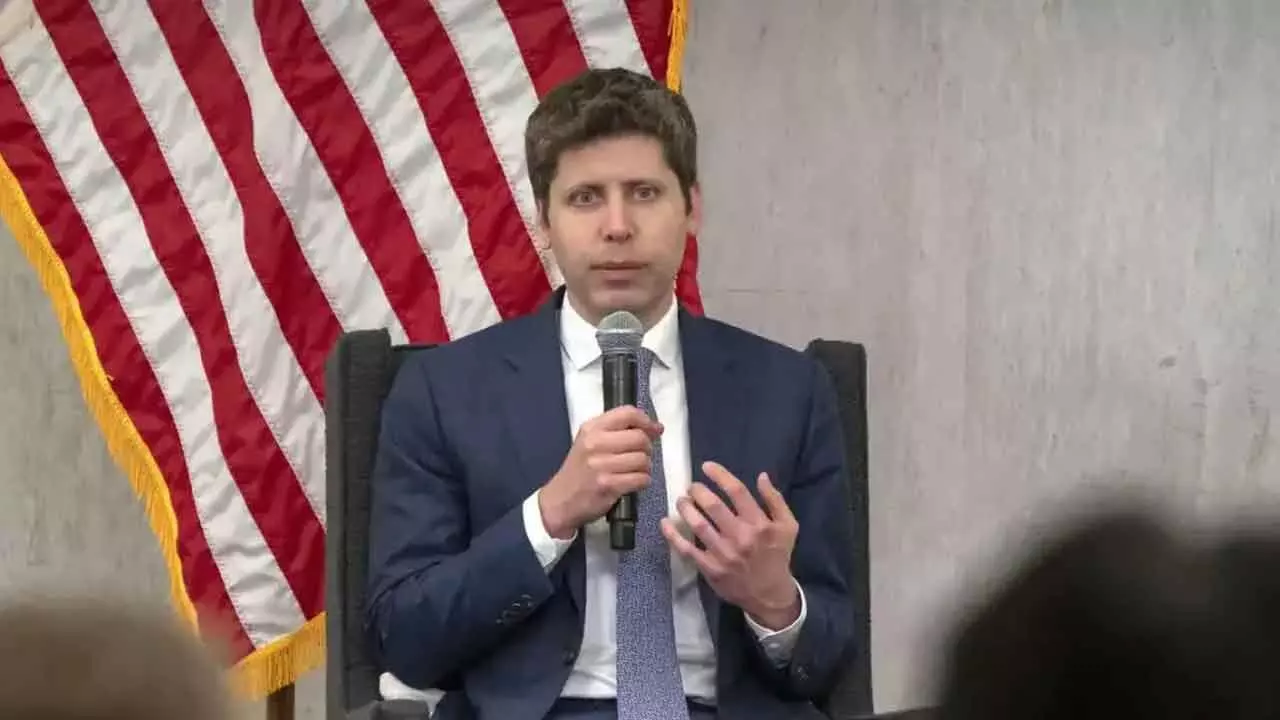
Sam Altman pledges to make GPT-5 warmer and more relatable after users complain about reduced wit, creativity, and emotional depth.
OpenAI CEO Sam Altman has assured users that GPT-5 will soon get an upgrade to make it more relatable and engaging, following a wave of criticism about its lack of warmth, wit, and creativity. The announcement comes after many users expressed disappointment that the new AI, while technically advanced, felt less human in conversation compared to earlier versions.
Speaking on X (formerly Twitter), Altman admitted that the company had underestimated how important certain elements of GPT-4o were to users, even if GPT-5 was objectively better in several areas. “We for sure underestimated how much some of the things that people like in GPT-4o matter to them, even if GPT-5 performs better in most ways,” he wrote.
When GPT-5 was launched, OpenAI simultaneously discontinued access to older models including GPT-4o, GPT-4.1, GPT-4.5, GPT-4.1-mini, o4-mini, o4-mini-high, o3, and o3-pro. This sparked widespread backlash, as users suddenly lost the ability to interact with their preferred versions. Responding to the uproar, the company eventually restored GPT-4o access — but only for ChatGPT Plus subscribers. Free users remain restricted to GPT-5.
OpenAI originally promoted GPT-5 as being faster, more accurate, and less prone to “hallucinations” or excessive agreement, while offering notable improvements in coding, reasoning, writing, health-related queries, and multi-modal tasks. However, many users on social media reported that the model sometimes responded more slowly and with shorter, less emotionally nuanced replies compared to GPT-4o.
Altman acknowledged these concerns and outlined the company’s next steps. “We are going to focus on finishing the GPT-5 rollout and getting things stable and then we are going to focus on some changes to GPT-5 to make it warmer. Really good per-users customization will take longer,” he said.
He also emphasized that opinions about GPT-4o and GPT-5 vary widely. Some users prefer responses with humor, emojis, and emotional intelligence, while others want “cold logic” and a more professional tone. OpenAI’s long-term plan is to allow deeper customization so individuals can tailor the AI’s personality to their liking.
This shift reflects a growing recognition in the AI industry: technical excellence alone is not enough to win user loyalty. While GPT-5 may excel in accuracy and functionality, people still value the small touches — humor, empathy, and personality — that make interactions feel more human.
As OpenAI works to refine GPT-5’s conversational style, Altman’s promise signals a renewed focus on balancing high performance with emotional resonance. For many, this could be the key to restoring the charm that made earlier versions of ChatGPT so beloved.